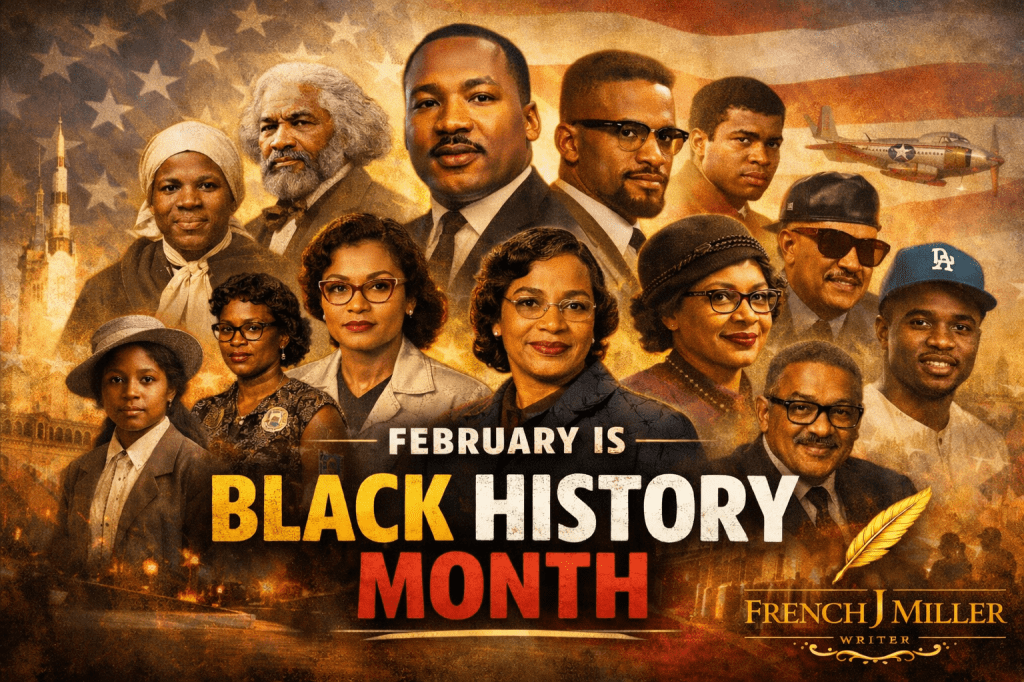
Black History Month exists not because Black history is separate, but because it has so often been excluded.
For generations, Black history has not been fully taught in our schools. It has not been consistently passed down through families either, not because it lacked value, but because many of our parents and grandparents were never taught it themselves. You can’t pass down what was intentionally withheld.
That absence matters.
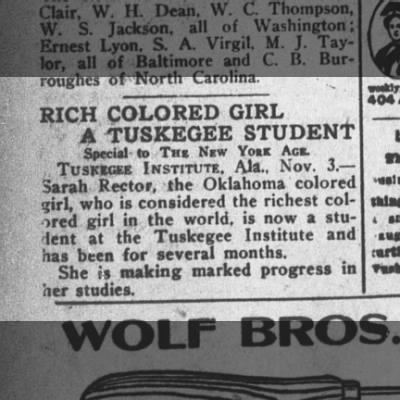
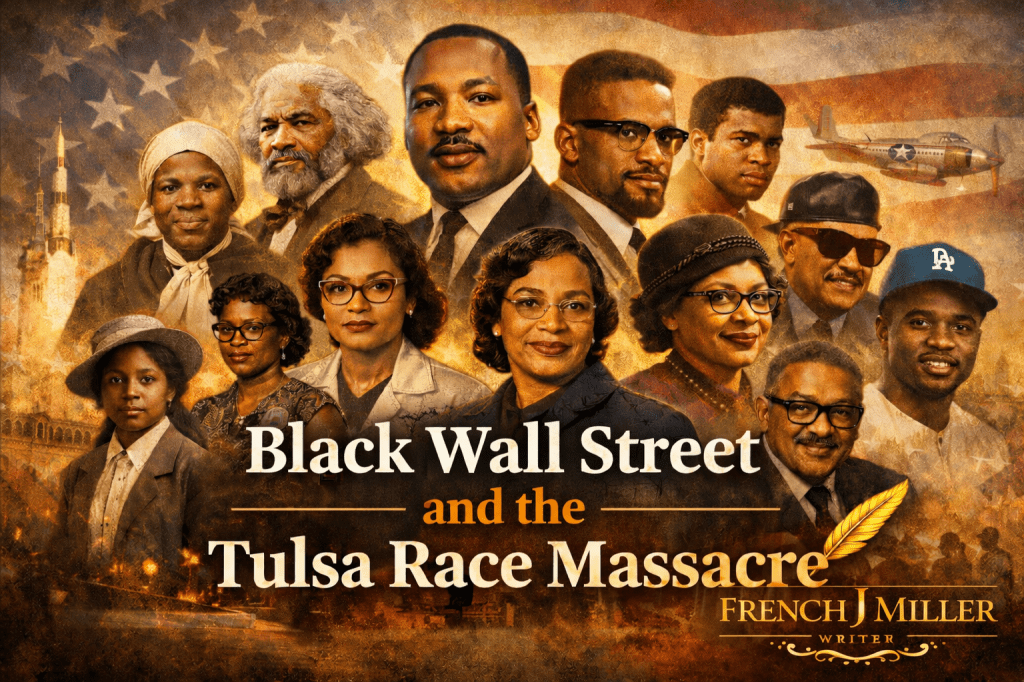
Ask yourself this: how many people truly knew the name Sarah Rector before the film Sarah’s Oil? Most of us grew up learning about John D. Rockefeller, the titan of industry and the face of American oil wealth. But far fewer were taught that during segregation, Standard Oil struck a deal with Sarah Rector, a Black child who became an oil magnate and millionaire at just 12 years old. Her story disrupts the narrative many of us were taught about who could succeed, who could lead, and who could build wealth in America.
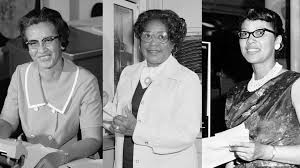
Or consider this: how many people knew the names Katherine Johnson, Dorothy Vaughan, and Mary Jackson, and the vital roles they played at NASA during the 1960s, before the movie Hidden Figures? These women were not background characters in history; they were central to America’s success in the space race. Yet their names were absent from textbooks for decades.
This is exactly why Black History Month is still needed.
We are living in a time when Black history is not just overlooked, it is quietly being challenged, minimized, and in some cases erased. When books about Rosa Parks are removed from school libraries in certain states, it sends a dangerous message: that truth is optional, and history can be edited for comfort.
That should concern all of us.
The truth is, we should not need a Black History Month. Black history should already be woven into American history. It should be inseparable from world history. It should simply be our history.
But until schools consistently teach it, until that teaching reflects the full story, and until these contributions are treated as foundational rather than supplemental, Black History Month remains necessary. It serves as a reminder, a correction, and a call to remember what was ignored for far too long.
Black history is not a footnote.
It is not an elective.
It is not a special interest topic.
It is American history.
It is world history.
It is our history.
And until that truth is fully honored, Black History Month is not just relevant, it is essential.

 24/7 Of Praise
Leave a comment