A Story of Prosperity, Destruction, and Erased History
Before it became a site of one of the most violent racial attacks in American history, Greenwood was a symbol of Black excellence, resilience, and economic power.
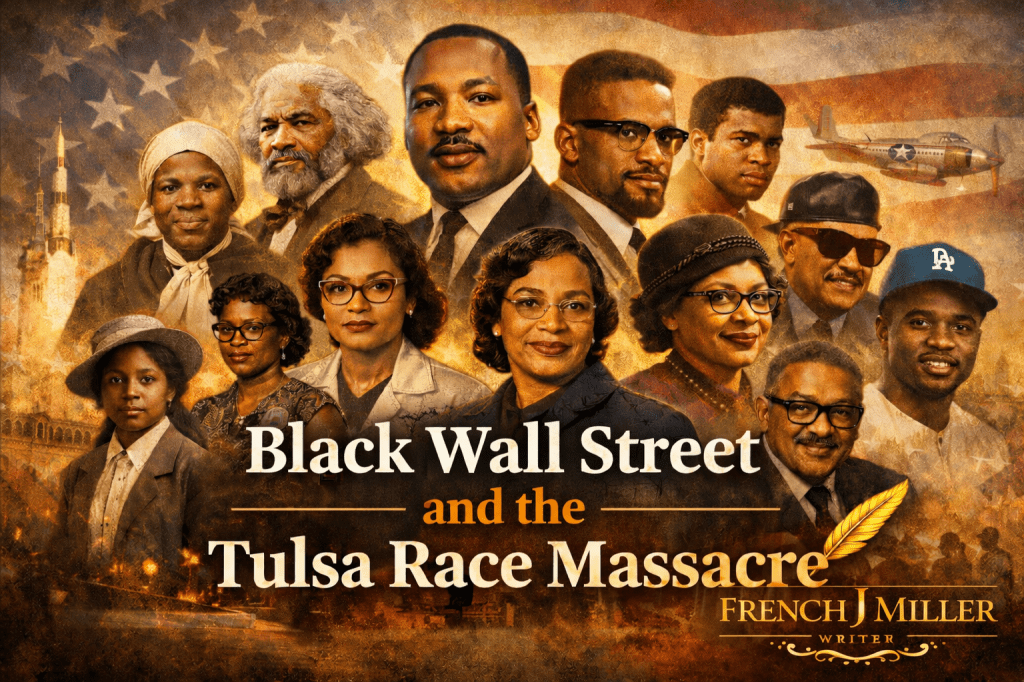
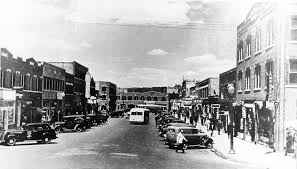
Often referred to as Black Wall Street, the Greenwood District of Tulsa was a thriving Black community in the early 20th century. At a time when segregation and Jim Crow laws were designed to limit Black advancement, Greenwood defied expectations. It was home to Black-owned banks, hotels, grocery stores, newspapers, doctors’ offices, theaters, and churches. Money circulated within the community, creating generational wealth and economic independence.
Greenwood was not an accident; it was built intentionally by Black entrepreneurs, professionals, and families who believed in ownership, education, and self-determination. By 1921, it was one of the most prosperous Black communities in the United States.
And that prosperity made it a target.
The Tulsa Race Massacre
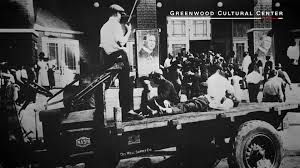
On May 31 and June 1, 1921, Greenwood was destroyed in what is now known as the Tulsa Race Massacre.
The violence began after an accusation, later proven unfounded, against a young Black man, Dick Rowland, involving a white woman. What followed was not a riot, as it was long described, but a coordinated assault on a Black community.
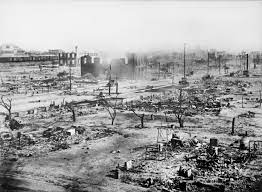
White mobs, some deputized and armed by local authorities, invaded Greenwood. Homes and businesses were looted and burned. Residents were shot in the streets. Airplanes were reportedly used to drop incendiary devices, one of the first aerial attacks on a civilian population on American soil.
By the time the violence ended, more than 35 square blocks of Greenwood lay in ashes. As many as 300 Black men, women, and children were killed. Thousands were left homeless. Families lost everything.
And then, almost unbelievably, the story was buried.
Erased From History
For decades, the Tulsa Race Massacre was deliberately excluded from history books, classrooms, and public conversation. Survivors were silenced. Insurance claims were denied. No one was held accountable.
Many Americans grew up never hearing about Black Wall Street or its destruction. This silence was not accidental. It reflected a broader pattern in which Black success was minimized and Black suffering ignored, unless it could be reframed in a way that avoided responsibility.
It wasn’t until the late 20th and early 21st centuries that the truth began to surface again, thanks largely to survivors, descendants, historians, and journalists who refused to let the story die.
Why This History Matters
Black Wall Street challenges the false narrative that Black communities lacked ambition, innovation, or economic discipline. Greenwood proved the opposite.
The Tulsa Race Massacre exposes the cost of that success in a nation unwilling to protect Black prosperity. It reminds us that violence was not only physical, but also economic, psychological, and generational.
This is not just Black history.
It is American history.
Understanding Greenwood helps explain modern conversations about racial wealth gaps, generational trauma, and distrust in institutions. You cannot fully understand the present without acknowledging what was destroyed, and why.
Remembering Greenwood
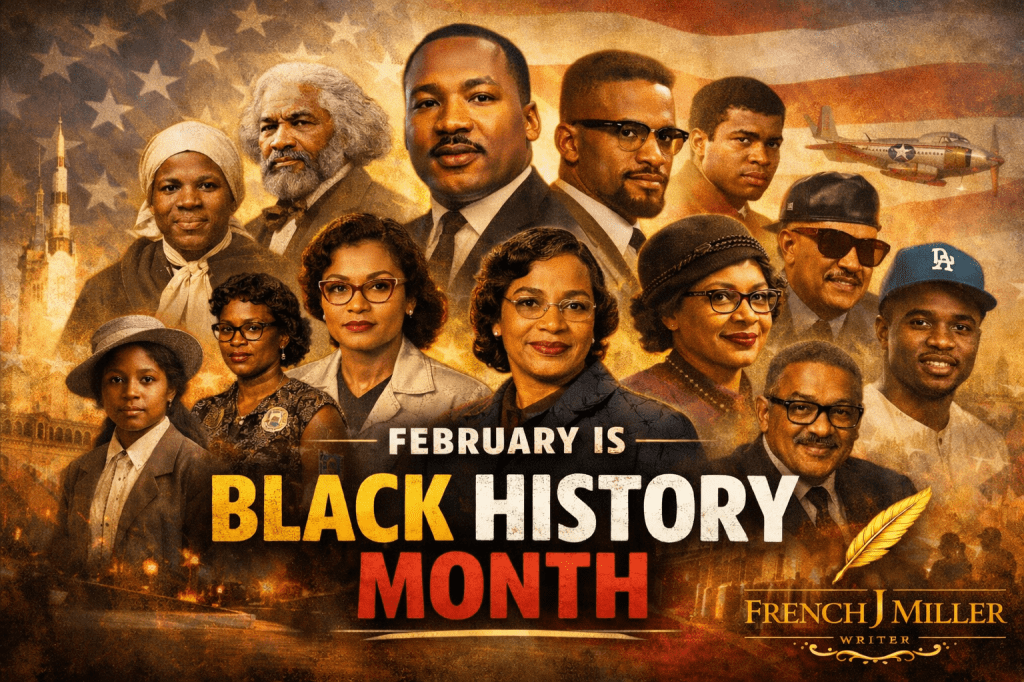
Black History Month exists for stories like this, stories that were erased, ignored, or rewritten. Remembering Black Wall Street is not about reopening wounds; it is about telling the truth.
Because when history is forgotten, it is repeated.
And when truth is buried, injustice is allowed to stand.
Greenwood deserved protection.
Its people deserved justice.
And its story deserves to be told, fully, and honestly.

 24/7 Of Praise
Leave a comment